
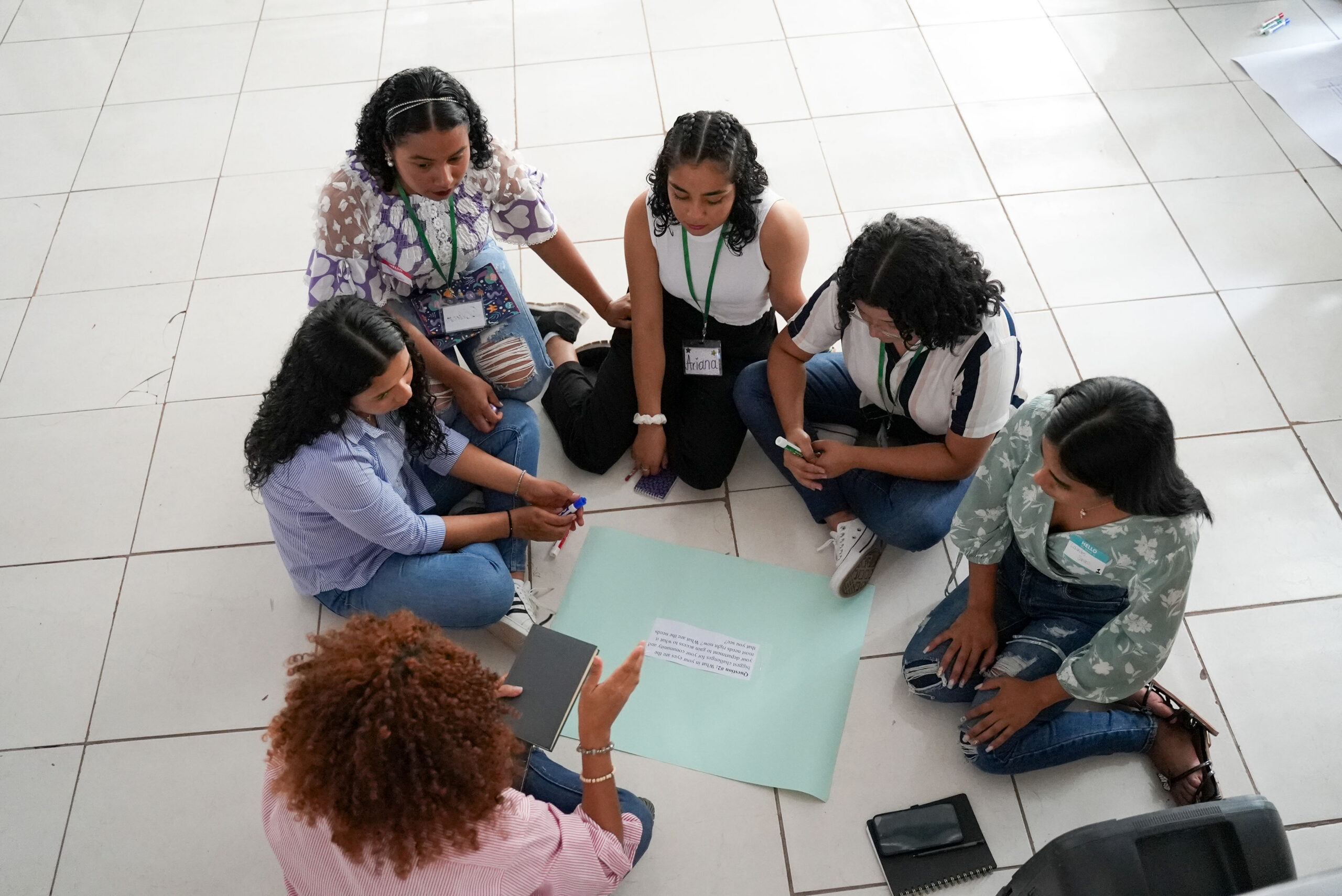
In community development classes, LMI students learn to assess needs, design projects, and work collaboratively with stakeholders. Another huge aspect of grassroots work is understanding funding models and how to garner financial support. It’s essential for leaders to understand how to build funding partnerships, both within their communities and with larger international networks.
To help students understand funding models and what motivates funders, LMI teacher Dilara Ugurlu invited two guest speakers to share perspectives with her classes. Students had the opportunity to learn directly from leaders who work on the front lines of nonprofit development and fundraising. Experiences like these are central to how we cultivate ethical, capable leaders who understand not only community needs, but also how to mobilize resources to meet them.
Fundraising from the Funder’s Perspective
Peter Schlosser, LMI board member, is a Peace Corps Honduras alum and current board member of another grant making nonprofit called Amigos de Honduras. Peter spoke with students about fundraising strategy and the role grants play in supporting community development work. Students explored what funders actually look for when deciding where to invest, including:
- Clear goals and accountability
- Measurable impact
- Strong local partnerships
- Long-term commitment to outcomes
One key takeaway from his session was that fundraising is not simply about asking for money— it is about building trust, demonstrating responsibility, and showing long-term commitment to outcomes. Sustainable projects require both heart and structure.
Grant Writing as a Leadership Skill
Katrina Erickson, LMI’s Development Manager, guided students through the practical side of grant writing and partnership building. She broke down what makes a strong grant proposal — clarity of purpose, defined outcomes, realistic budgets, and evidence of community engagement. Students learned that successful development work depends on relationships as much as proposals. Strong partnerships with donors, organizations, and local stakeholders multiply impact and create stability. Grant writing, they discovered, is both a technical skill and a leadership skill.
Why Guest Teaching Matters
These guest sessions are a core part of LMI’s leadership formation model. When board members, sponsors, and partners step into the classroom, students see what ethical leadership looks like in practice. They gain exposure to real decision-making, real constraints, and real opportunities. They also see that professionals in the field are accessible, human, and invested in their growth. This kind of access builds confidence and expands students’ sense of what is possible.
An Invitation to Our Community
We want to extend a clear invitation to our broader LMI community: your experience matters, and your voice belongs in this classroom. When sponsors, board members, and partners share their expertise, they directly strengthen student learning and leadership capacity. Guest teaching is a high-impact way to contribute — it connects your work to the next generation while deepening the educational mission behind every dollar invested in LMI.
Our students are learning to sustain service through strategy, partnerships, and responsible fundraising. That combination is what turns good intentions into lasting change. And it is made possible by people who are willing to step forward, share their knowledge, and invest in leaders in the making.