For the past seven weeks, something powerful has been taking shape in our classroom—a new generation of ethical community leaders is emerging.
As part of our new, practice-based curriculum on community development, students have been working intensively to understand their communities, identify real challenges, and design projects that can make a measurable impact. Our approach is rooted in ABCD—Asset-Based Community Development, which emphasizes starting with what a community has, not what it lacks.
Learning to See Community Through New Eyes
We began this journey by exploring a simple but essential question: What does community development really mean, and why does it matter?
From there, students dug deeper, asking: Who is our community? What do we already have? What are we missing?
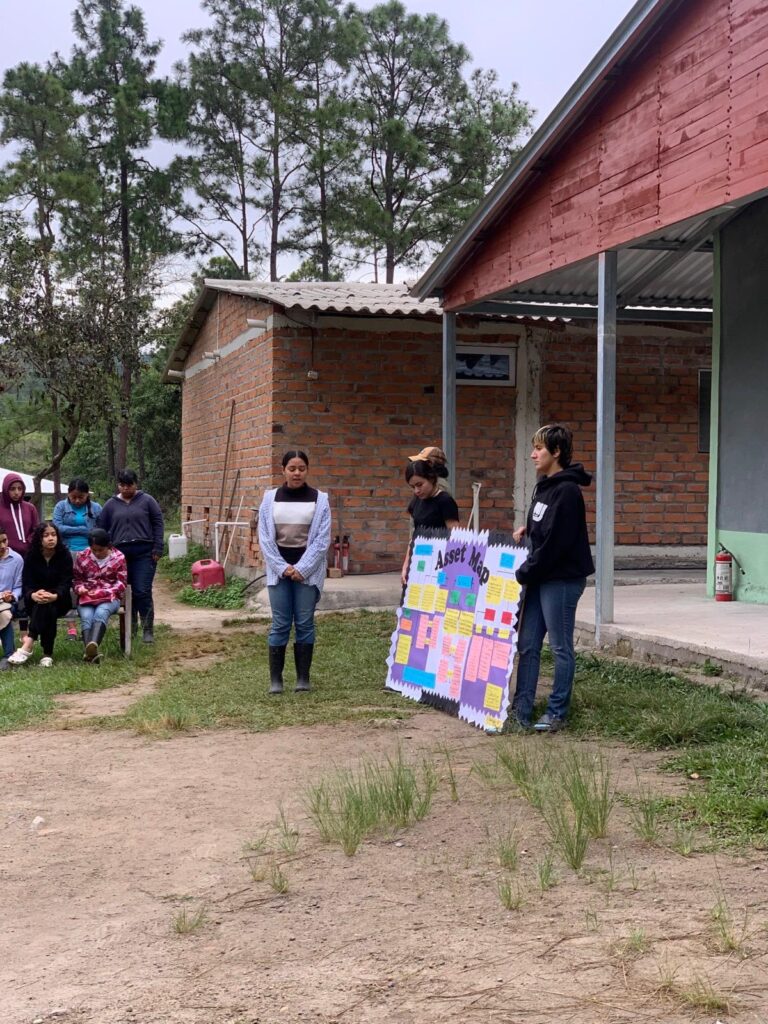
To answer these questions, we identified the most important assets around them—people, skills, natural resources, local organizations, and community spaces.
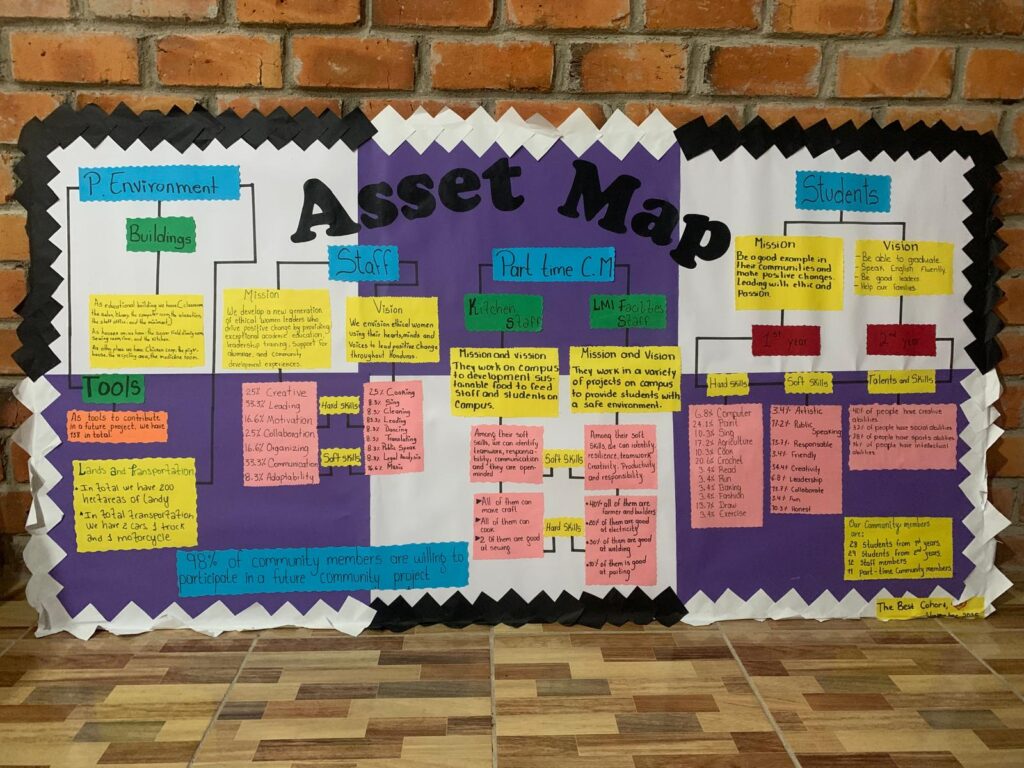
What Is an Asset Map?
An Asset Map is a visual tool that helps communities identify their existing strengths.
It includes:
- Talents and abilities of community members
- Local organizations and institutions
- Physical spaces and natural resources
- Existing community networks and relationships
Rather than focusing on problems, an asset map highlights opportunities. It allows students to build solutions using what the community already possesses.
Listening to Understand, Not to Respond
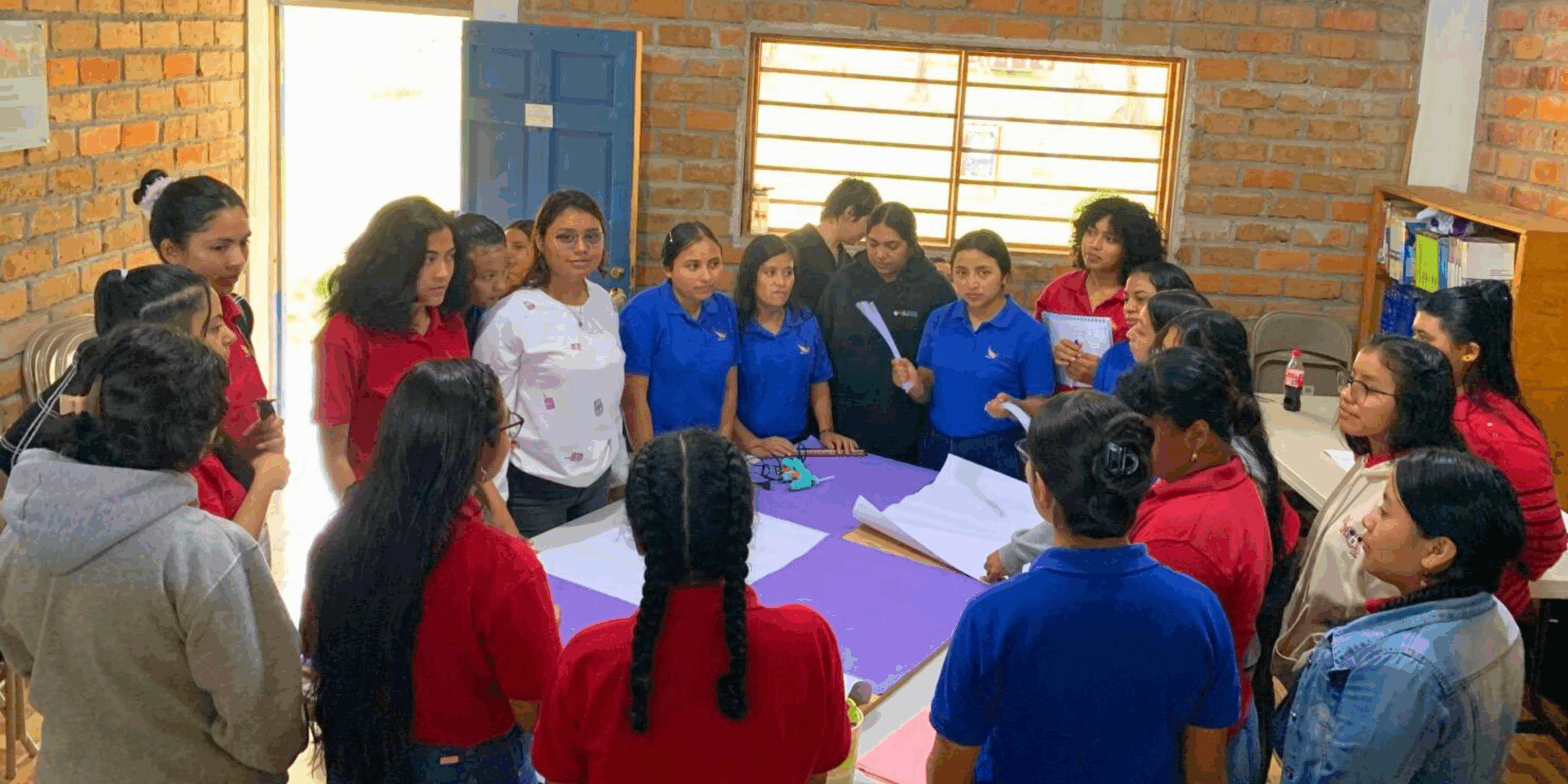
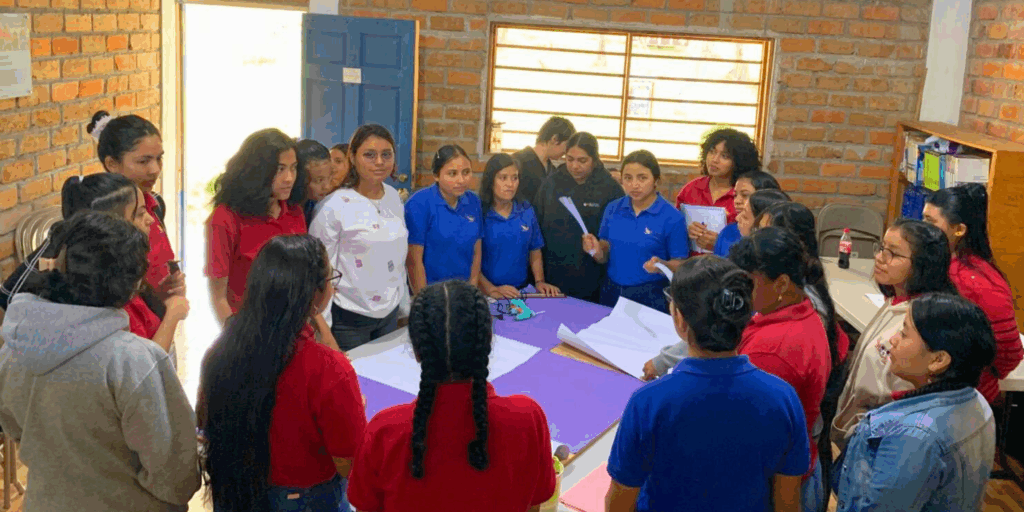
Students didn’t just brainstorm from afar. They collected real data through face-to-face interviews, surveys, and focus group discussions. They spoke directly with community members to understand lived experiences, hopes, and frustrations.
One student reflected,
“Before this class, I thought leadership meant having answers. Now I know leadership begins with listening—really listening.”
This shift—seeing leadership as an act of attentive presence—became a foundation for their work.
How Asset Mapping Shaped Their Projects
The Asset Map process helped students see that many solutions were already within reach. They realized, for example:
- Skilled neighbors could help with construction or design
- Existing community networks could support fundraising
- Local knowledge could improve project planning
- Natural resources could be used in sustainable ways
This asset-first perspective allowed their project ideas to become more realistic, more community-led, and more achievable.
Imagining a Better Future—And Building It
After grounding themselves in the present, the students dared to imagine the future:
What kind of community do they want to help create?
What does a thriving, resilient, equitable community look like?
Together, they built a shared vision—one rooted in dignity, participation, and local strengths. With this vision as their compass, each student group developed a project proposal and a realistic action plan designed to address a challenge they identified.
These projects are not theoretical. They are deeply practical—designed with the community, for the community.
Students Develop a Proposal
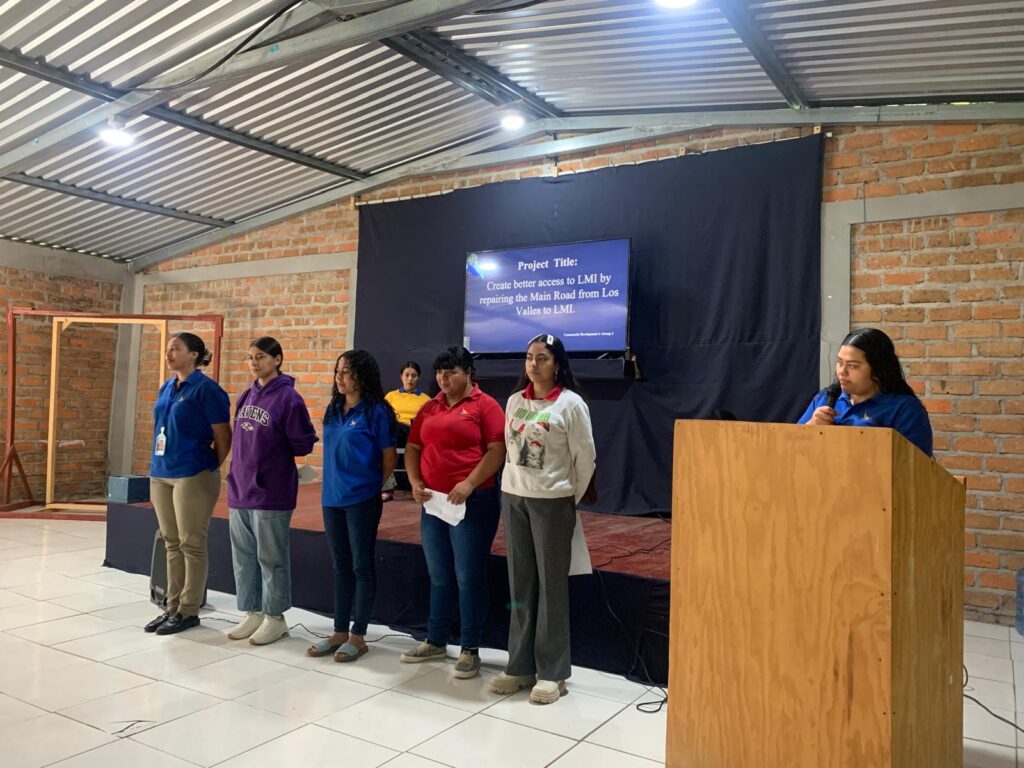
As they present their project proposals, students are stepping confidently into their roles as ethical community leaders. This quarter, they developed and presented four community-centered initiatives:
- One group proposed securing a dependable internet provider with full-time access for all community members.
- Another group outlined plans to upgrade the community’s bathroom facilities to create cleaner, safer, and more hygienic spaces.
- A third group focused on repairing the main road and constructing drainage systems to improve travel conditions for LMI and neighboring communities.
- The final group envisioned new areas where community members can relax, study, gather, and connect with nature.
Their work is thoughtful, hopeful, and grounded in real community voices.
This is leadership at its most authentic.
Because when leaders grow, communities thrive. And watching these students grow has been a privilege.
The Heart of Our Mission: Cultivating Ethical Leaders
This year’s theme for our end-of-year campaign is Cultivating Leaders, and nowhere is that more visible than in this classroom.
Students are not just learning community development—they are becoming the kind of leaders their communities need:
- Observant
- Compassionate
- Strategic
- Collaborative
- Grounded in values
- Committed to serving others
Leadership is not a title; it is a practice. And for seven weeks, students have been practicing every day.
Together, we can cultivate the kind of communities we all want to see.